
Garage Door Repairs Castle Hill
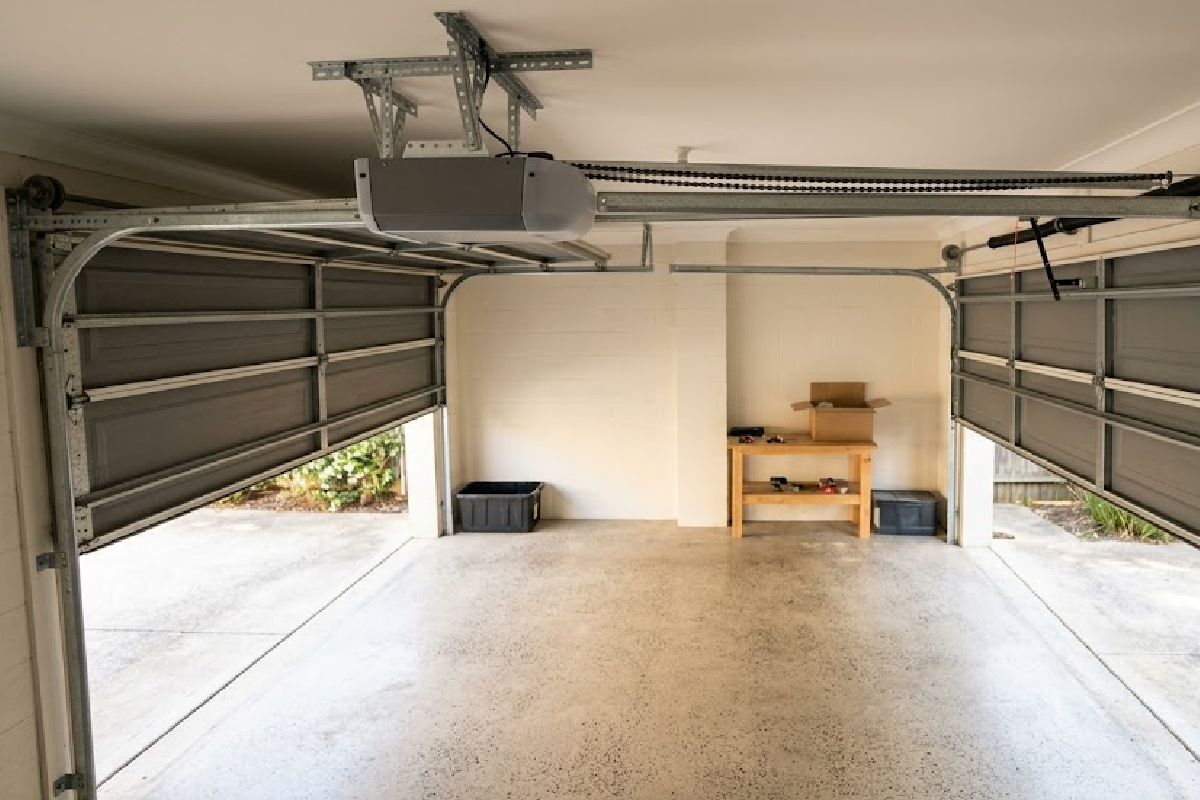
Professional Garage Door Repairs Castle Hill
Garage Door Repairs Castle Hill — 24/7 Emergency Enquiries
Tell us what has gone wrong with your garage door. You can request a free quote online or call our Sydney team for current service availability.
AULocal Sydney service
✓Clear repair quotes
2424/7 enquiries
Garage door repairs Castle Hill homeowners can rely on should reflect the wide mix of properties across the suburb. Castle Hill includes established detached homes on generous blocks, renovated family properties, townhouses and newer apartments near the town centre and Metro precincts. Garages range from older single-car tilt doors to wide double sectional doors and modern automated systems.
Older garage doors may develop fatigued springs, frayed cables, worn hinges, noisy rollers or opener limits that no longer hold their setting. Larger double doors place greater load on springs and motors, while modern sectional doors depend on accurate track alignment, correct spring balance and working safety reversal.
Our garage door repair service checks the door type, weight, age and daily use. We diagnose the immediate fault, explain the repair and inspect balance, tracks, rollers, hinges, cables, fasteners and opener operation before returning the door to service. For quotes and bookings, use our contact page.
Garage Door Repairs Castle Hill: Local Door Types
Single tilt doors remain common on some older garages. These systems use lifting arms, pivot hardware and springs that must work together. Sectional doors are widely used on renovated and newer homes because separate panels travel vertically through curved tracks. Roller doors are also found on homes, sheds and secondary garages. Each system needs different parts and adjustment methods.
A door that becomes heavy, crooked or unusually noisy should not be repeatedly operated. A failed spring or cable can transfer extra load to the opener, distort tracks or cause panel damage. Disconnecting or adjusting high-tension components without suitable tools is unsafe. Arrange an inspection when the door changes behaviour.
Castle Hill Garage Door Repair FAQs
What garage door problems do you repair in Castle Hill?
We repair broken springs, loose or frayed cables, damaged hinges, worn rollers, bent or misaligned tracks, off-track doors, remote-control problems and openers that stop, reverse or fail to respond. We also diagnose doors that feel unusually heavy, close unevenly or make grinding, scraping or banging noises.
Can an older tilt garage door be repaired?
Many older tilt doors can be repaired if the frame and main door panel remain sound. The work may involve springs, pivot hardware, lifting arms, cables or opener adjustment. We inspect the complete system and explain whether a safe repair is economical compared with replacement.
Why is my double sectional garage door heavy or crooked?
A double door can become heavy when a spring loses tension or breaks. It may sit crooked when a lifting cable slips, stretches or fails. Stop using the opener if the door is uneven because continued operation can damage tracks, panels and the motor. The counterbalance system should be checked professionally.
Do you repair garage door motors, sensors and remotes?
Yes. We test power, remotes, wall controls, travel limits, safety reversal and photo-electric sensors where fitted. Some opener faults are caused by door resistance rather than an electrical failure, so we confirm that the door moves freely and is correctly balanced before recommending motor repair or replacement.
Should I repair or replace my Castle Hill garage door?
Repair is often worthwhile when panels and the supporting frame are sound and compatible parts remain available. Replacement may be practical when panels are badly damaged, the frame is corroded, obsolete parts cannot be sourced or repeated failures make repair uneconomical. Replacement can also support planned improvements such as insulation, quieter operation or modern automation.
How can I reduce future garage door breakdowns?
Watch for changes in noise, speed, balance and closing position. Keep the doorway and tracks clear, avoid forcing a jammed door and have worn parts addressed before they affect other components. Periodic servicing can identify loose hardware, damaged rollers, cable wear and opener settings that need attention. General planning information about the established and growing suburb is available from The Hills Shire Council.
Warning Signs That Need Garage Door Repairs
A garage door usually gives warning before a complete failure. New squeaks, grinding, a slower opening speed or hesitation at the same point of travel can indicate roller, hinge, track or opener resistance. A door that closes harder on one side may have unequal cable tension or a track problem. Changes should be investigated before extra strain affects panels and the motor.
Check the door from a safe distance while it operates. Look for cables that appear loose, rollers that do not remain square in their tracks, visible gaps between sectional panels and brackets that move against the wall. Do not touch springs, cables or bottom brackets, because these components can be under high tension even when the door is stationary.
Our Castle Hill Garage Door Repair Process
The first step is to listen to the homeowner’s description of the fault and confirm when it began. We then identify the door style, opener model and any visible damage. Manual movement, when safe, helps reveal imbalance or binding that an automatic opener can disguise. Electrical tests cover power, controls, remotes, limits, sensors and safety reversal.
After diagnosis, we explain the likely cause and the recommended repair. Parts must match the size and weight of the door rather than simply looking similar. Once work is complete, the door is cycled repeatedly and checked in manual and automatic operation. Final checks include balance, closing position, unusual movement and secure mounting hardware.
Spring, Cable and Track Repairs
Springs counterbalance much of a garage door’s weight. When a spring weakens, the opener may work harder, the door may stop partway or manual lifting may become difficult. A broken spring often leaves the door unable to open. Replacement springs must be appropriate for the door’s dimensions and weight, and tension must be set correctly.
Lifting cables work with the springs and drums. A damaged cable can cause the door to rise unevenly or leave one side unsupported. Tracks guide rollers through the complete opening cycle. Impact, loose wall fixings or continued use with damaged rollers can move tracks out of alignment. Cable and track faults should be corrected before the door is returned to automatic use.
Garage Door Opener Repairs and Safety Checks
An opener that hums, stops, reverses or loses remote range may have an electrical, programming or mechanical cause. Testing starts with the door itself because a balanced, freely moving door is essential for reliable opener operation. We then check controls, remotes, force and travel settings, drive components and safety devices fitted to the system.
Safety reversal is important for any automatic door. A closing door should respond correctly when resistance or a fitted safety sensor is activated. Homeowners should keep the doorway clear, prevent children from playing with controls and store remotes securely. If the door behaves unpredictably, stop using automatic operation until the system is checked.
Servicing Different Castle Hill Garage Doors
Tilt doors use a single panel and lifting hardware that needs clear travel space. Roller doors rely on guides, a curtain and a drum assembly. Sectional doors combine multiple hinged panels, rollers and curved tracks. Because each design distributes load differently, repair methods, replacement parts and adjustment points are not interchangeable.
Double sectional doors deserve particular attention because their width and weight magnify small balance and alignment problems. Modern insulated panels can also be heavier than older doors. Correct spring selection, smooth rollers and accurate opener settings help prevent motor strain and preserve panels, hinges and tracks.
Practical Maintenance Between Professional Visits
Keep the garage floor and doorway clear, visually inspect hardware and note changes in sound or speed. Clean accessible track surfaces without applying heavy grease that can collect dirt. Do not loosen brackets, adjust springs or wind cables. Homeowners can test remotes and observe safety reversal, but tensioned and structural components should be handled professionally.
After severe weather, accidental impact or building work near the garage, check that the door still sits level and moves without rubbing. Early attention to a loose fixing, damaged roller or changed limit setting can prevent a minor fault from developing into a jammed door or damaged opener.
Questions to Ask Before Approving a Repair
Ask which component failed, why it failed and whether connected parts were checked. A clear repair explanation should identify the door type, replacement part and final testing. Homeowners can also ask whether the opener suits the door’s weight and whether remaining wear needs monitoring rather than immediate replacement.
For an older door, ask about part availability and expected service life after repair. For a modern insulated or double door, ask how balance and track alignment were verified. Understanding the work helps homeowners recognise future warning signs.
Preparing for a Garage Door Repair Visit
Move vehicles and stored items away from the inside of the door where possible, keep pets and children clear, and provide remotes or keypads that need testing. Do not dismantle covers or release tensioned hardware. If the door is stuck open, keep the garage secure and avoid forcing it closed.
Share any recent impact, power interruption, renovation work or change in noise. The history can shorten diagnosis and reveal whether the fault is mechanical, electrical or related to mounting movement. A short video recorded from a safe position can help explain an intermittent fault.
After the Repair
Operate the door several times and confirm movement, sound and closing position are consistent. Check remotes, wall control and safety response. Keep repair information with the opener manual and note any follow-up service recommendation.
What Our Castle Hill Garage Door Repairs Include
We handle a wide range of garage door repair issues, ensuring your system works safely and reliably.
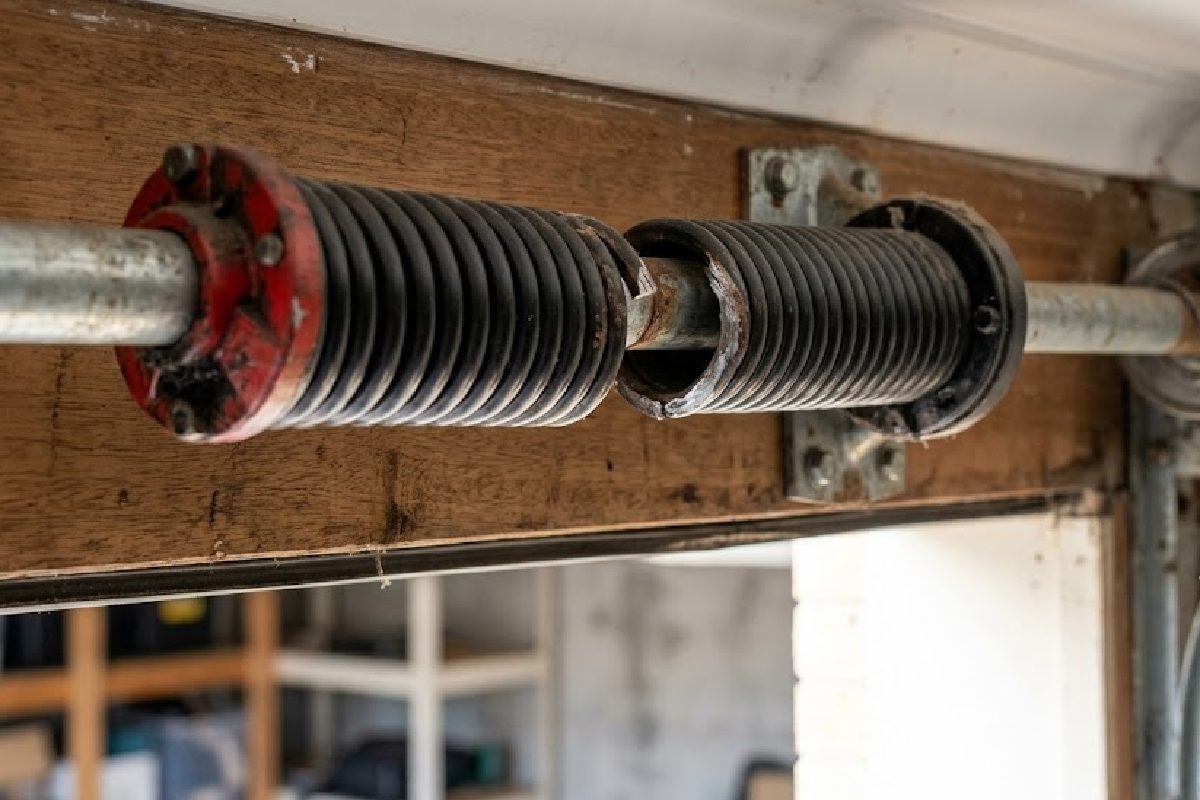
Broken Spring Repairs
Garage door springs are essential for smooth operation. We replace damaged or worn-out springs safely and efficiently.
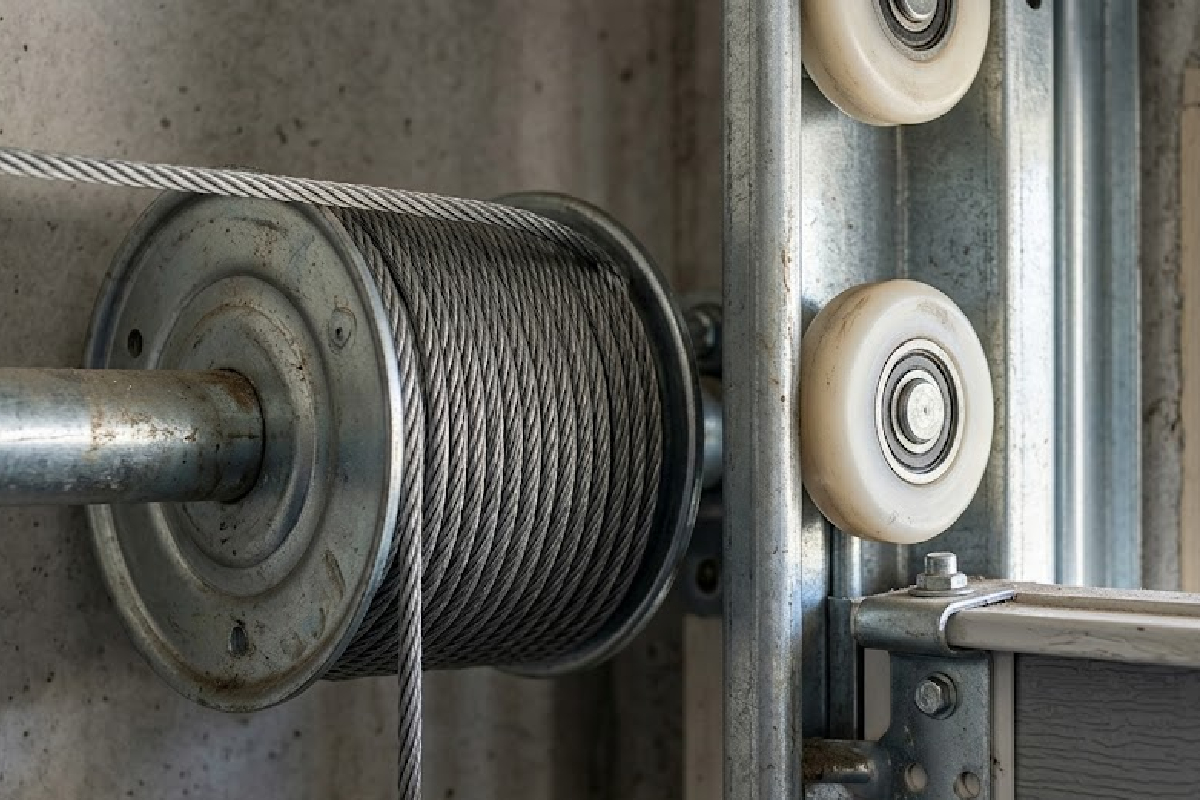
Cable and Roller Repairs
Worn cables and rollers can cause uneven movement or complete failure. We repair or replace them for smooth functionality.
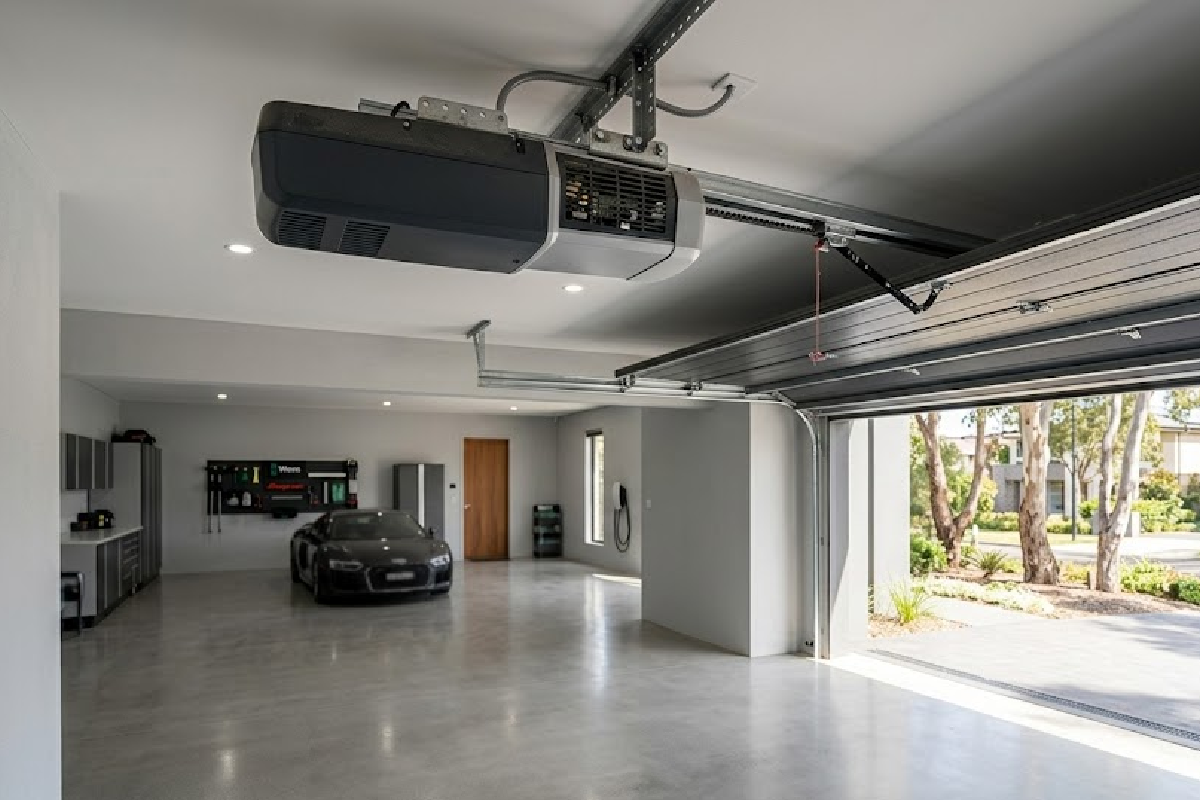
Garage Door Opener Repairs
If your opener is not responding or working inconsistently, we diagnose and fix the issue quickly.
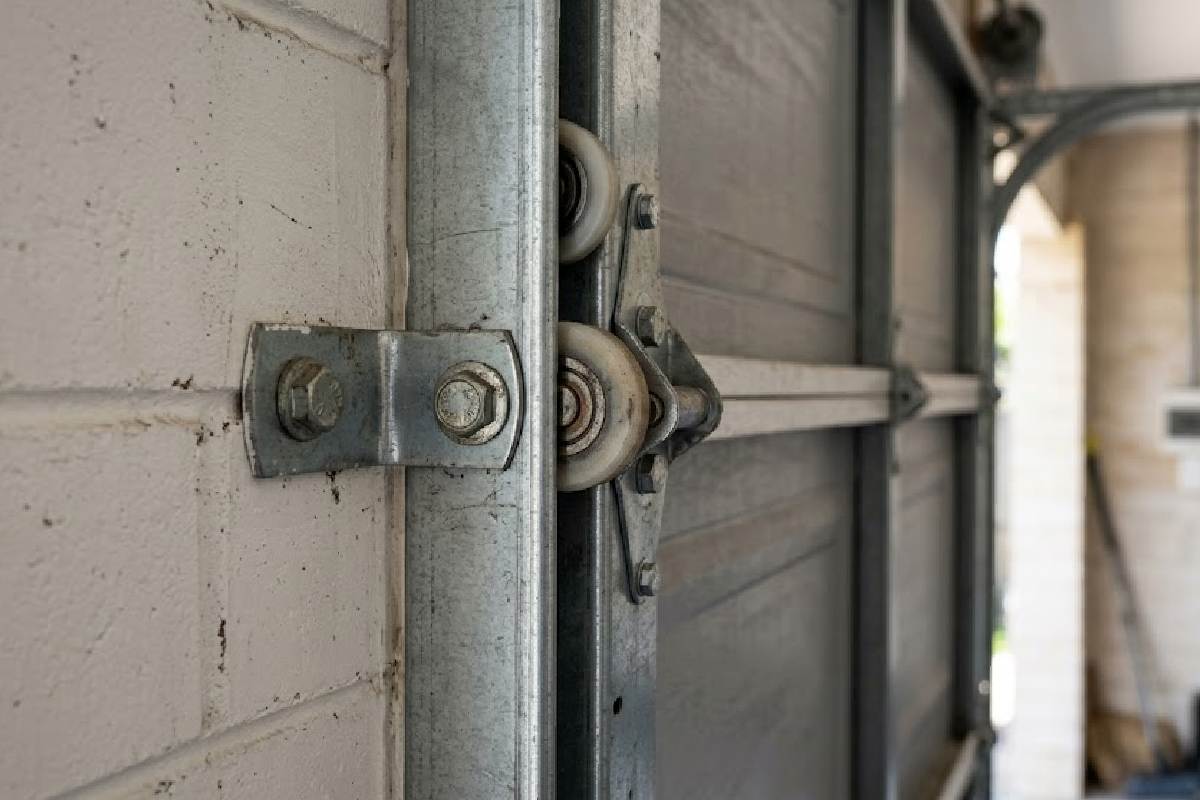
Track Alignment & General Repairs
Misaligned tracks can prevent your garage door from opening properly. We adjust and repair tracks to restore smooth operation.
Request Garage Door Repairs in Castle Hill
Need quick and reliable garage door repairs Sydney? Fill out the form and our team will get back to you promptly. We provide efficient solutions designed to restore your garage door’s performance and safety.
Emergency Garage Door Repairs Castle Hill
Garage door issues can happen anytime. Our team is ready to respond quickly with professional repair services across Sydney, ensuring minimal disruption to your day.