
Garage Door Repairs Baulkham Hills
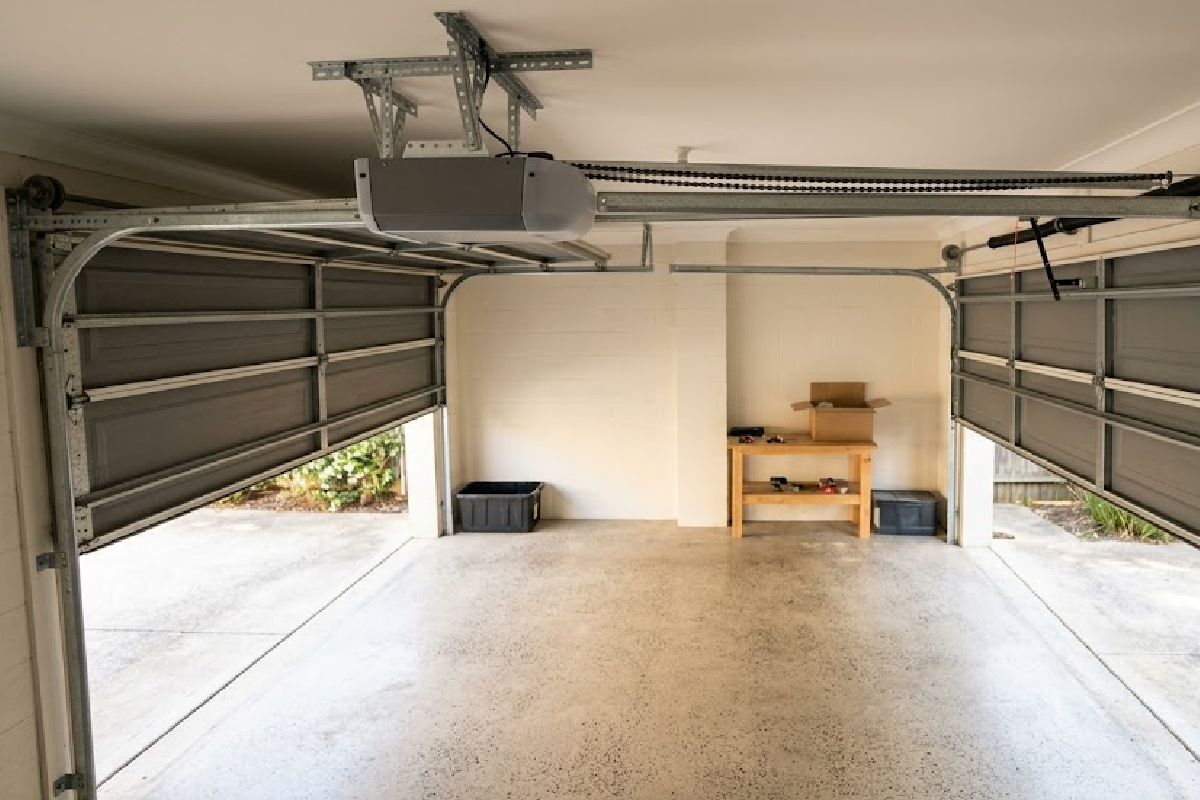
Professional Garage Door Repairs Baulkham Hills
Garage Door Repairs Baulkham Hills — 24/7 Emergency Enquiries
Tell us what has gone wrong with your garage door. You can request a free quote online or call our Sydney team for current service availability.
AULocal Sydney service
✓Clear repair quotes
2424/7 enquiries
Garage door repairs Baulkham Hills homeowners need can vary with the age and style of the property. This established Hills District suburb includes detached family homes, older brick houses and renovated properties, alongside duplexes, townhouses and apartments. Garage doors range from older single tilt and sectional doors to modern double sectional systems.
Older systems commonly develop worn rollers, loose hinges, stretched cables, fatigued springs and openers that strain or stop. Renovated and newer homes often use automated sectional doors where balance, travel limits, safety reversal and remote programming must be correct.
Our garage door repair service matches the repair to the installed door, opener and age of the property. We inspect springs, cables, tracks, rollers, hinges, fasteners and opener operation, repair the immediate fault and explain other wear that may soon affect safe operation. Book through our contact page.
Garage Door Repairs Baulkham Hills: Established Homes
Single tilt doors remain on some older garages, while sectional doors are common on renovated homes and newer builds. Roller doors may be used on secondary garages and sheds. Each door type has a different counterbalance, track and opener arrangement, so parts and adjustments must suit the actual system.
A sudden change in noise, weight, speed or closing position is a useful warning. Continuing to operate a crooked or heavy door can overload the motor, damage panels or pull hardware away from its mounting. Stop using the opener if a cable is loose or the door is off-track.
Baulkham Hills Garage Door Repair FAQs
What garage door faults are common on older homes?
Older doors commonly develop noisy or seized rollers, loose hinges, stretched cables, fatigued springs and openers that strain or stop. A complete inspection helps separate the failed part from general wear that may soon cause another breakdown.
Why does my garage door make a loud grinding or banging noise?
Grinding, scraping or banging can come from dry or worn rollers, loose hardware, a damaged hinge, track misalignment or incorrect spring tension. Avoid repeatedly operating a door that suddenly becomes noisy until the cause is checked.
Can you repair a garage door after a home renovation?
Yes. Renovation work can disturb tracks, power supplies, sensors or opener settings, and building dust can affect moving components. We can realign the door, adjust limits, test safety reversal and replace worn hardware where necessary.
Do you replace broken garage door springs and cables?
Yes. Springs and lifting cables are under significant tension and should not be handled without suitable training and tools. We identify the correct replacement parts, restore the counterbalance and test the door manually before reconnecting the opener.
Can you repair garage door motors and remotes?
We test remotes, wall controls, power, travel limits, safety reversal and sensors. We also check the door manually because an unbalanced or binding door can make a working opener appear faulty and can shorten motor life.
Should I repair or replace my Baulkham Hills garage door?
Repair is often worthwhile when panels and the frame are sound and compatible parts remain available. Replacement may suit extensive panel damage, corrosion, repeated failures or a planned upgrade to insulation, quieter operation or modern automation. Local suburb information is available from The Hills Shire Council.
Signs a Baulkham Hills Garage Door Needs Repair
Older doors can gradually become louder and heavier, making wear seem normal. Grinding, scraping, uneven closing, a visible cable difference or an opener that pauses are warning signs. A door that will not remain in position during safe manual testing may have a counterbalance problem that adds load to the motor.
Renovated garages can develop different issues. New flooring may change the closing position, building work can disturb sensors and altered wall finishes can affect track fixings. If a fault appears after renovation, check the installation rather than repeatedly increasing opener force.
How We Diagnose Garage Door Problems
Diagnosis begins with the door type, age and pattern of the fault. We inspect panels or curtain, hinges, rollers, tracks or guides, springs, cables and mounting hardware. Where safe, manual movement shows whether the door is balanced and whether resistance occurs at a consistent point.
Opener checks cover power, controls, remotes, travel limits, force settings and safety reversal. A motor fault should not be assumed until the door moves correctly by hand. Mechanical resistance can cause stopping and reversing, while an unbalanced door can shorten opener life.
Spring, Cable and Roller Repairs
Springs offset door weight and must match the installed system. Loss of tension may make a door heavy before a spring breaks completely. Replacement requires controlled handling and correct adjustment. Springs should not be cut, stretched or tensioned without suitable training.
Cables can fray, slip or lose equal tension, causing uneven lifting. Rollers can wear, seize or move poorly through damaged tracks. These faults often interact: a bad roller increases resistance, and an uneven cable pulls the door against a track. Repair includes checking connected components rather than only the visible failed part.
Older Tilt Doors and Modern Sectional Doors
Some Baulkham Hills homes retain tilt doors with a single large panel. Pivot hardware, springs and lifting arms need room to move and secure mounting. A tilt door may remain repairable for years when its frame and panel are structurally sound and suitable components remain available.
Sectional doors use hinged panels and multiple rollers. They offer efficient vertical opening but depend on track alignment and hinge condition. Double doors carry greater loads, so spring balance and opener suitability are important. Panel rubbing or tracking errors should be corrected early.
Opener, Remote and Sensor Repairs
Remote faults can involve batteries, programming, receiver range or interference. Photo-electric sensors can prevent closing when dirty, moved or obstructed. Travel limits can drift and make the door stop short or press too hard against the floor. We test the complete operating sequence and safety response.
Where an opener is obsolete or major components cannot be sourced, replacement may be more reliable than repeated repair. The recommendation should consider door condition as well as the motor, because fitting a new opener to a binding door will not solve the underlying problem.
Care for Established Family Garages
Observe whether the door sits level, listen for new sounds and keep the opening clear. Do not place hands near springs, cables, drums or bottom brackets. Avoid forcing a stuck door with the opener, because the motor can bend hardware or pull fixings from older mounting surfaces.
Periodic servicing can assess rollers and hinges, check balance and confirm opener safety functions. Prompt repairs help preserve older doors while supporting reliable access for busy households, renovated properties and multi-vehicle family garages.
Preparing for Garage Door Repairs
Clear vehicles and stored items from the work area, keep children and pets away and provide remotes or keypads for testing. Do not remove opener covers or touch springs, cables, drums or bottom brackets. Mention any impact, renovation work or change after a power interruption.
For intermittent faults, note the position and sound when the problem occurs. A short video from a safe location can help. Do not stand beneath a moving door or continue testing a system that is crooked, heavy or off-track.
What to Expect After Repair
The door should complete repeated cycles without rubbing, hesitation or uneven movement. Manual balance and automatic closing position should be confirmed, along with controls and safety operation. Ask what failed, what caused it and whether other wear needs monitoring.
Keep invoices and part information with the opener manual, especially for older doors where service history guides future decisions. Accurate measurements and previous repair information also help if replacement is eventually considered.
Reducing Future Breakdowns
Observe the door regularly, keep guides and tracks clear and respond to new noise before resistance damages connected parts. Avoid heavy grease that collects dirt and do not adjust tensioned components. Planned servicing can identify loose hardware, roller wear, cable damage and opener settings before the door becomes unusable.
What Our Baulkham Hills Garage Door Repairs Include
We handle a wide range of garage door repair issues, ensuring your system works safely and reliably.
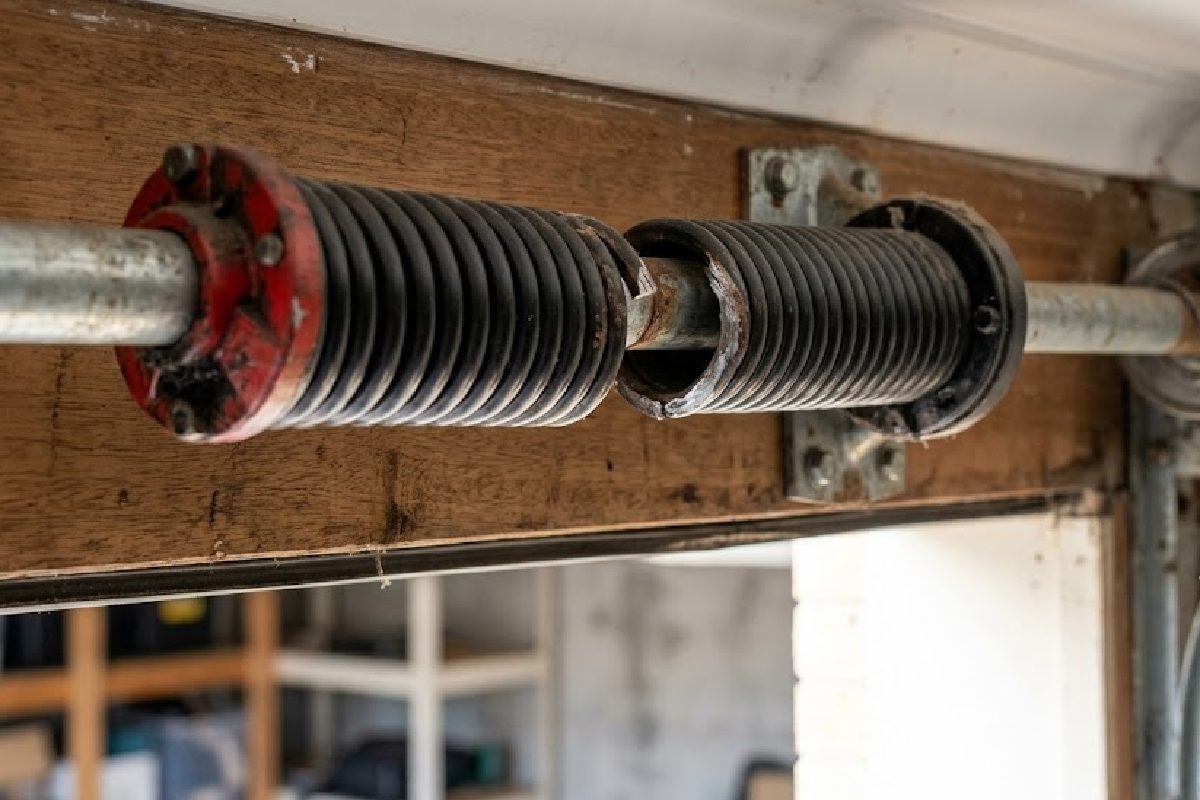
Broken Spring Repairs
Garage door springs are essential for smooth operation. We replace damaged or worn-out springs safely and efficiently.
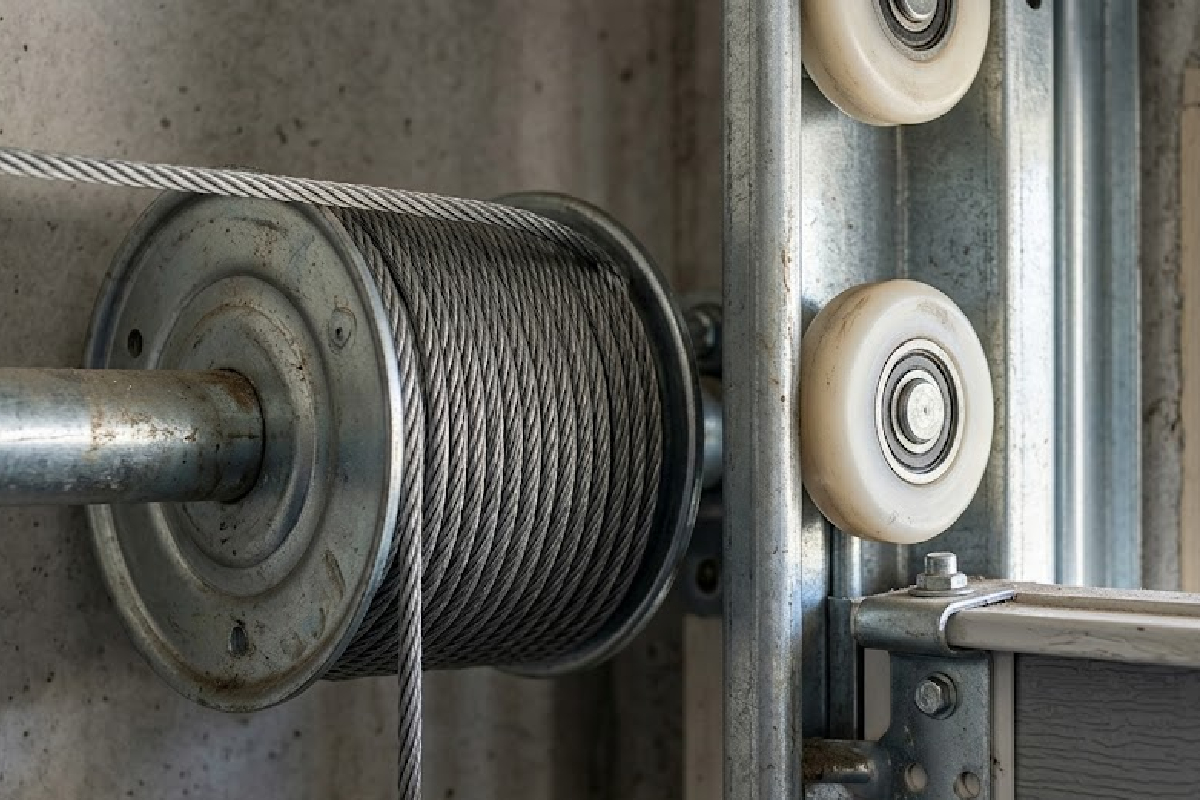
Cable and Roller Repairs
Worn cables and rollers can cause uneven movement or complete failure. We repair or replace them for smooth functionality.
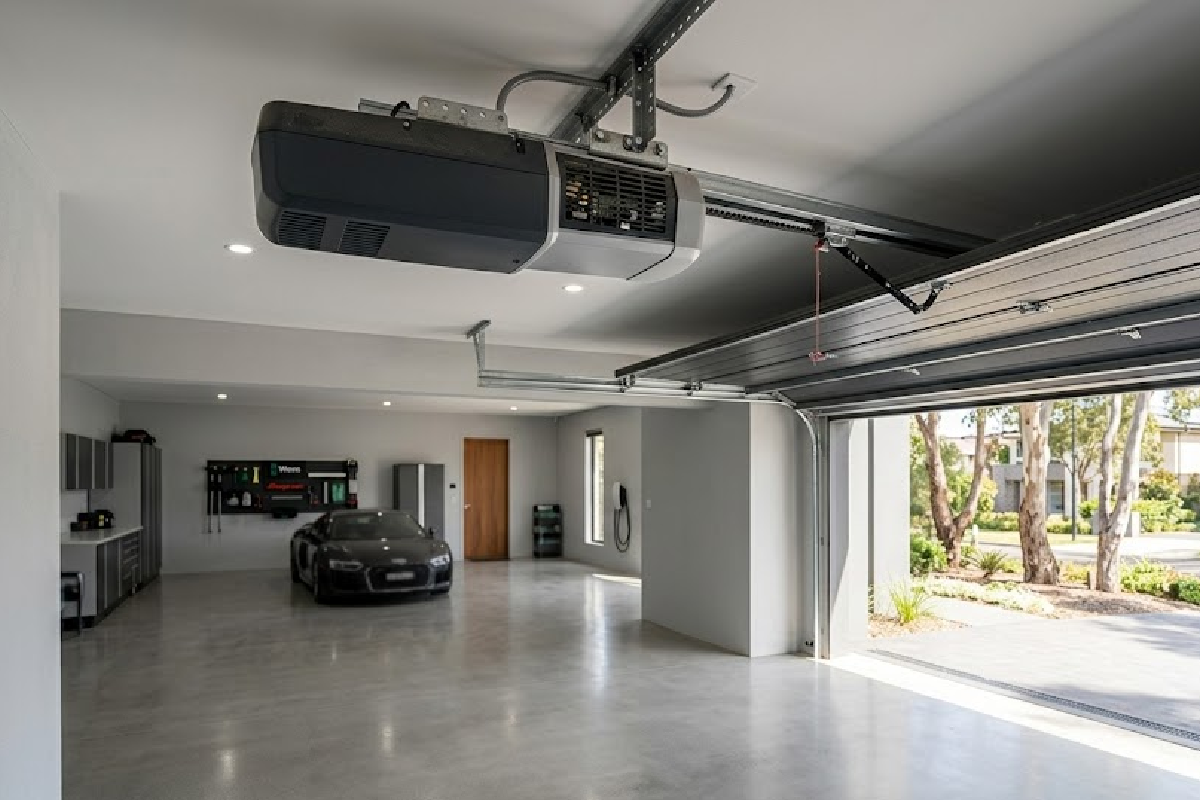
Garage Door Opener Repairs
If your opener is not responding or working inconsistently, we diagnose and fix the issue quickly.
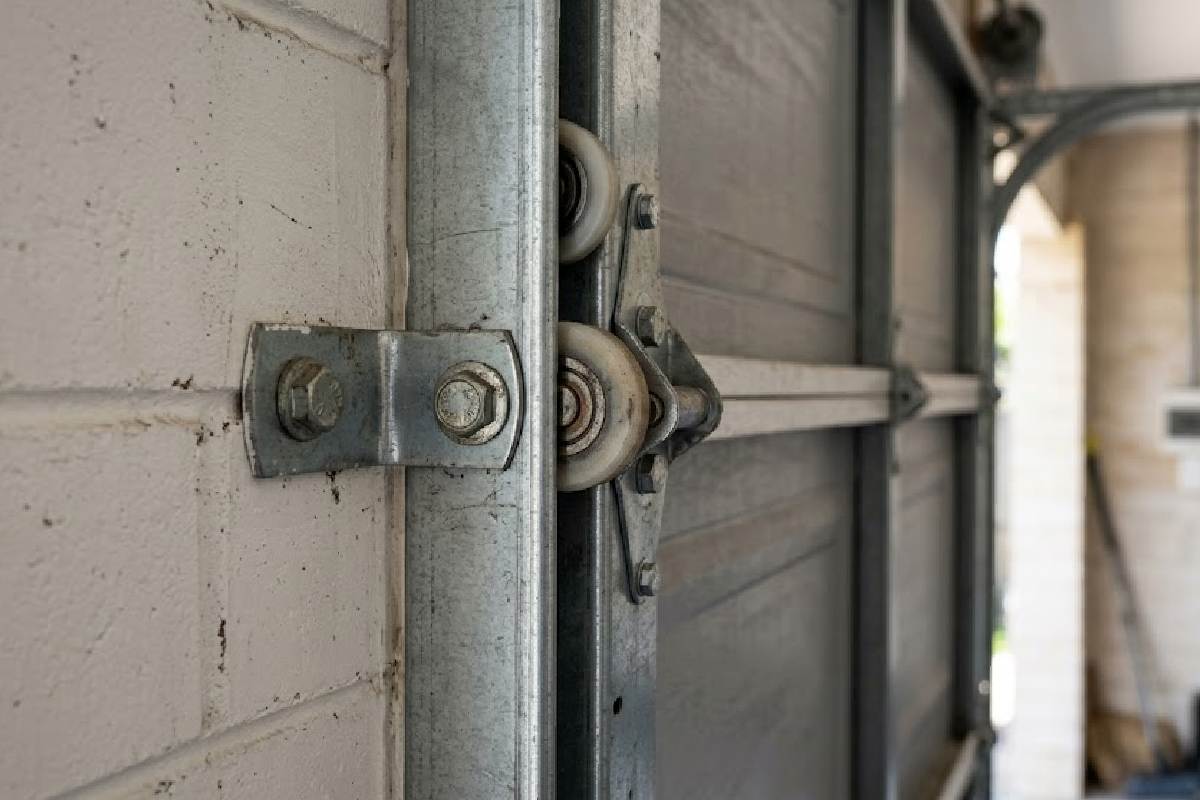
Track Alignment & General Repairs
Misaligned tracks can prevent your garage door from opening properly. We adjust and repair tracks to restore smooth operation.
Request Garage Door Repairs in Baulkham Hills
Need quick and reliable garage door repairs Sydney? Fill out the form and our team will get back to you promptly. We provide efficient solutions designed to restore your garage door’s performance and safety.
Emergency Garage Door Repairs Baulkham Hills
Garage door issues can happen anytime. Our team is ready to respond quickly with professional repair services across Sydney, ensuring minimal disruption to your day.